
Inguinal hernia
An inguinal hernia is the most common type. It sits in the groin, is more frequent in men, and is often more noticeable when you stand, cough or lift.
Dr Daniel Lee Jin Keat · Colorectal surgeon
Former Head of Colorectal Surgery, Khoo Teck Puat Hospital · Focus area: keyhole and open hernia surgery
Send an enquiry
In this short video, Dr Lee explains what a hernia is, why it does not repair itself, and when a lump needs to be seen straight away.
A hernia happens when soft tissue, often part of the bowel, pushes through a weak spot in the muscle wall. It usually shows as a bulge that is easier to see when you stand, cough or strain, and it may settle when you lie down. A hernia does not repair itself, and it tends to get bigger with time.
Which type you have, and whether it needs hernia treatment now or can be watched, is the first question a hernia doctor works through with you. At the consultation, Dr Lee discusses whether hernia repair or monitoring suits you.
An inguinal hernia is the most common type. It sits in the groin, is more frequent in men, and is often more noticeable when you stand, cough or lift.
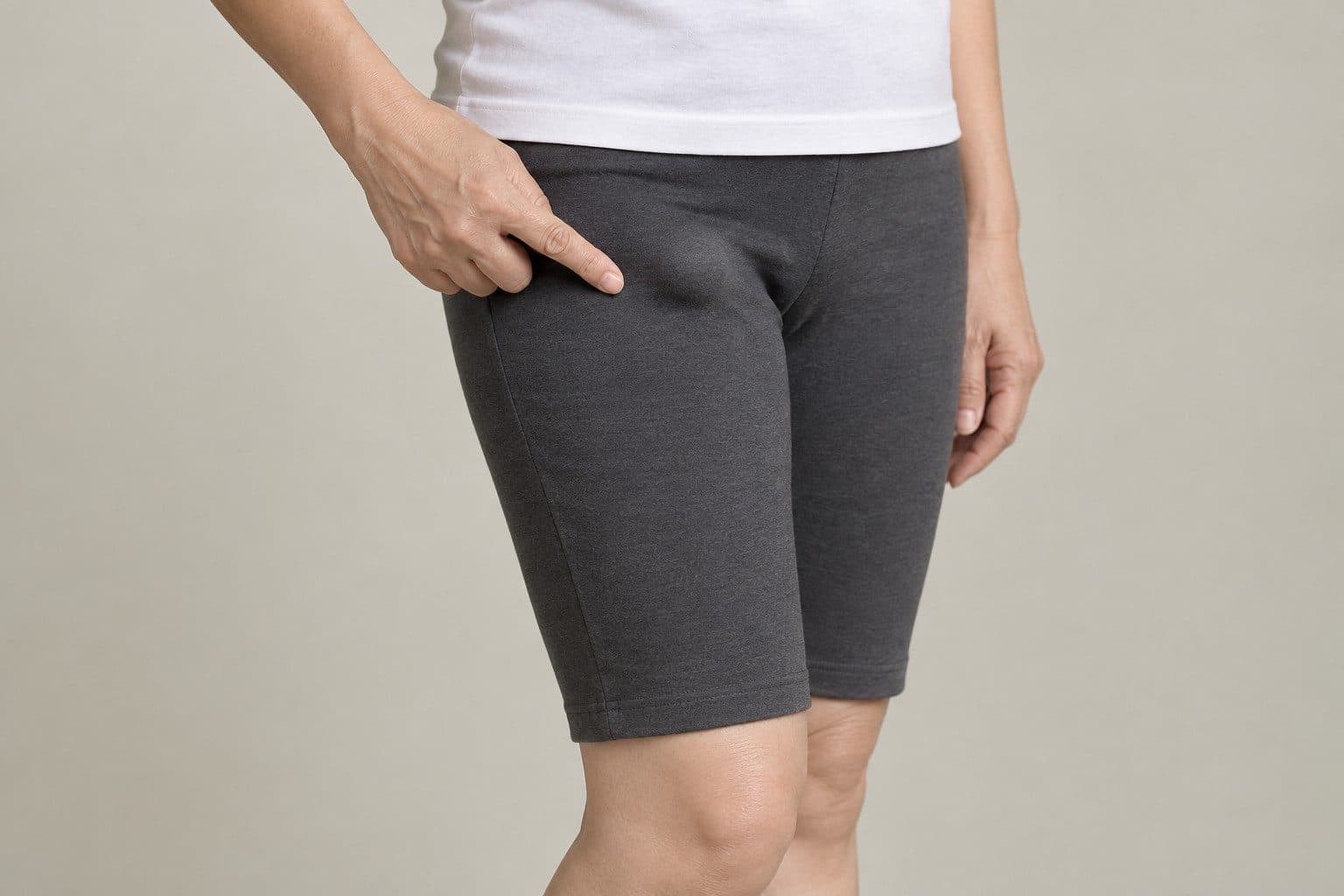
A femoral hernia sits lower in the groin or at the top of the thigh. It is more common in women and is worth assessing promptly, because it can be more prone to complications.

An umbilical hernia is a bulge at or near the belly button. In adults it is common after pregnancy or with weight gain.
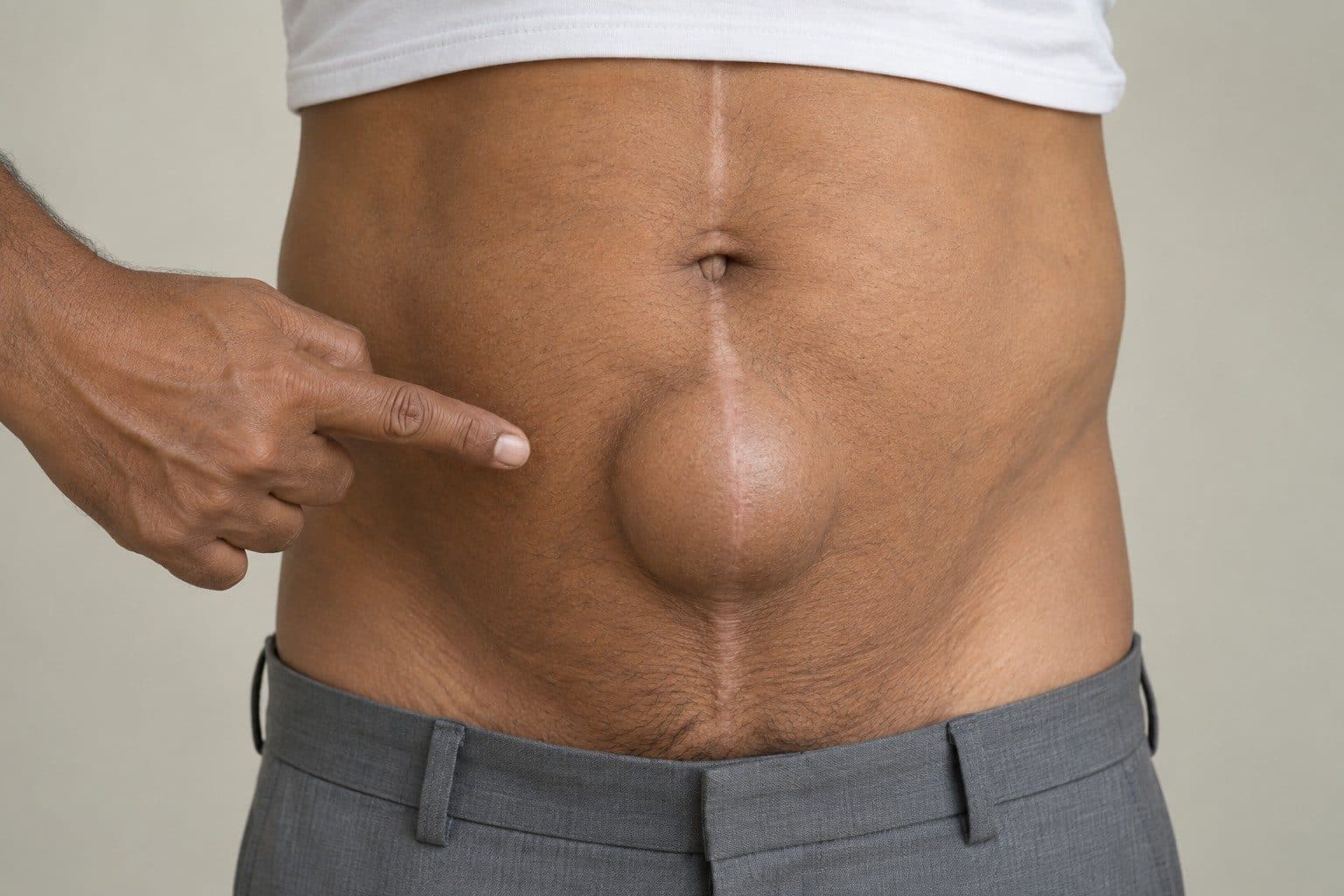
An incisional hernia pushes through the scar of a previous operation, where the healed muscle wall has stayed weak.
In keyhole, or laparoscopic, hernia surgery, a few small cuts are made and a camera guides the operation. Open surgery uses a single cut over the hernia. In both, the weak spot is usually strengthened with a soft mesh, which lowers the chance of the hernia coming back.
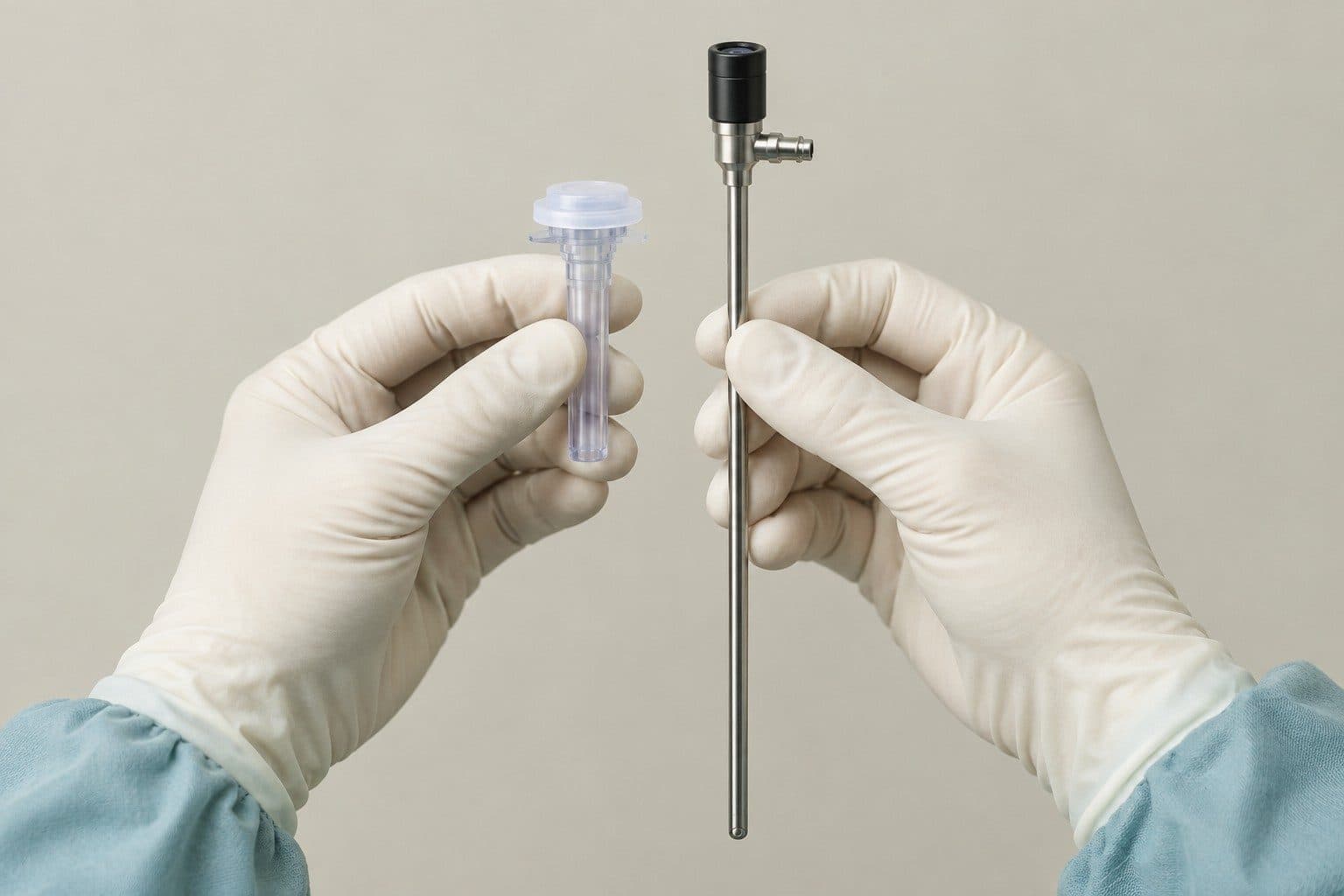
Keyhole surgery is not right for every hernia. Dr Lee recommends keyhole or open surgery based on your hernia, your health and your history, and he explains why before anything is decided. For suitable cases the operation is done as day surgery, so you go home the same day.

Dr Lee earned his Master of Medicine in Surgery at the National University of Singapore. In 2015 he became a Fellow of the Royal College of Surgeons of Edinburgh in General Surgery, and he is a Fellow of the Academy of Medicine, Singapore.
He completed a colorectal fellowship at the John Goligher Unit, St James’s University Hospital in Leeds, and a surgical trauma fellowship at the Royal London Hospital.
At Khoo Teck Puat Hospital he was Head of Colorectal Surgery and Surgical Lead for Geriatric Surgery, where he built assessment and recovery pathways for older patients. If you are arranging a hernia operation for an older parent, the plan starts by checking their fitness for anaesthesia, followed by an honest conversation about repairing now or watching and waiting.
For a one-side groin hernia operation, the Ministry of Health’s surgeon fee benchmark starts from SGD 3,924. This is a national benchmark across Singapore providers. It is not Dr Lee’s own fee, which is confirmed at consultation.
The anaesthetist and the hospital bill separately, and each fee is shown in your written estimate.
MediSave can be used for eligible hernia surgery, within limits set by MOH. Hernia surgery is usually covered under Integrated Shield plans, and what your plan pays depends on your policy and the approved claim.
Colorectal Clinic Associates (CCA), where Dr Daniel Lee practises, works with these insurers, and the team assists with claims and eligibility checks.






















What you pay in cash depends on your insurer and plan, so the clinic works it out for you.
Leave your name and mobile, then add your insurer and plan name. No IC or policy number is needed. You get the estimate in writing before anything is booked.
Benchmark figures are from the Ministry of Health fee benchmarks for procedure SF819A, as of 1 June 2026. They are a public guide, not Dr Lee’s fees and not a quotation.
Dr Lee sees patients at five private hospitals in Singapore, Monday to Friday, with Saturday morning clinics.
Seeing a hernia surgeon early gives you more options and a clearer plan. Whether the enquiry is for you or a family member, a short note is enough. Leave your name and mobile number, and the clinic will reply on WhatsApp to find a time and place with Dr Lee.
When you send this, WhatsApp opens so you can carry on the conversation with the clinic.
Your details are saved so the clinic can reply and learn how you found this site.
For urgent symptoms, go to the nearest A&E.
A hernia does not heal on its own, and it tends to get bigger over time. Some small, comfortable hernias can be watched, but surgery is the only way to repair the muscle wall. Dr Lee assesses your situation and explains whether watchful waiting or hernia repair is the sensible next step for you.
Open surgery uses a single cut over the hernia. Keyhole, or laparoscopic, surgery uses a few small cuts and a camera, and is often associated with less discomfort and a quicker return to light activity. The right choice depends on your hernia, your health and your history, which Dr Lee discusses with you before anything is decided.
Most modern hernia surgery uses a soft mesh to reinforce the weak muscle wall, which lowers the chance of the hernia returning. Dr Lee explains the approach planned for you, including when a repair without mesh is more appropriate.
Many operations are done as day surgery, so most patients go home the same day with clear aftercare instructions and a number to reach the team. When you can return to desk work, lifting and exercise depends on the repair, your health and your work, and Dr Lee explains this for your situation.
Often yes. Hernia repair is typically MediSave claimable, and hernia surgery is usually covered under Integrated Shield plans. The team checks your coverage and helps with the paperwork before anything is scheduled.
Go to the nearest hospital A&E straight away if a hernia suddenly becomes very painful, firm and tender, or will not push back in. The same applies if it comes with nausea, vomiting, or skin over it that looks red or discoloured.